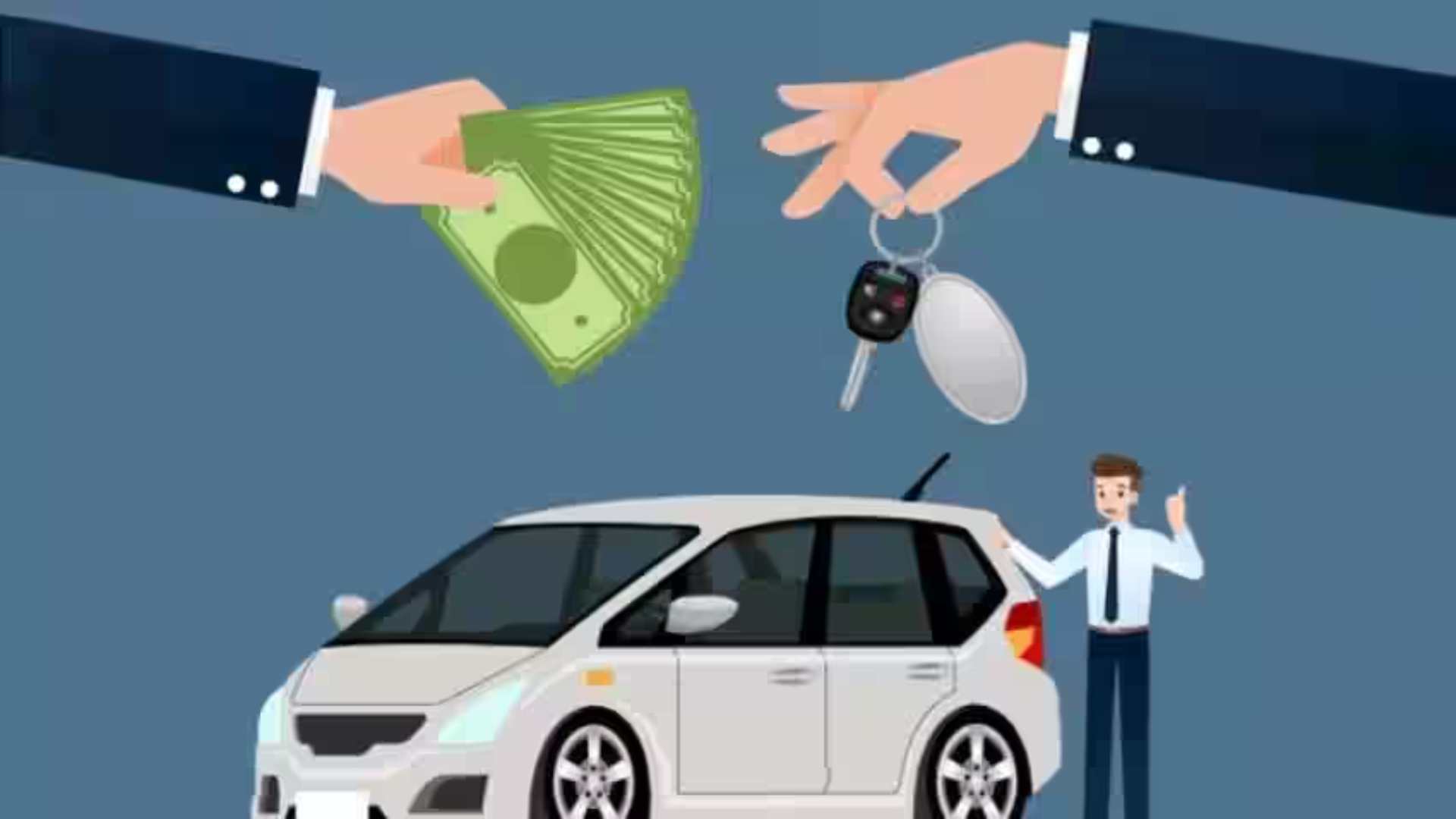
Buying a car is both an emotional and financial decision. For some people, it is about convenience. For others, it is about family comfort, work needs, status, safety, or freedom. In 2026, cars are available across a wide range of price points, from practical city models to feature-packed SUVs and premium electric vehicles. But one major question continues to divide buyers: should you buy a car with cash or take a car loan? There is no single answer for everyone, because the right choice depends on income, savings, financial discipline, and the purpose of the car.
At first glance, paying cash sounds like the smarter option. There is no EMI, no interest cost, no lender, and no monthly pressure. Once the payment is done, the car is yours. That simplicity feels powerful. Many people like the peace of mind that comes with owning a vehicle without debt. They do not want another monthly commitment hanging over them. They want to avoid interest altogether and keep their lives financially clean. In many cases, that instinct is correct.
But a cash purchase is not automatically the best choice in every situation. A car is a depreciating asset. In simple words, it starts losing value the moment it leaves the showroom. This is an important truth because it changes the way the purchase should be viewed. Unlike a house, a car usually does not grow in value over time. So when someone uses a very large part of their savings to buy a car outright, they must ask whether that money could have been used more productively elsewhere.
This is where the loan-versus-cash debate becomes interesting. A car loan allows the buyer to spread the cost over time instead of draining savings immediately. That can be useful if the person wants to preserve liquidity for emergencies, business needs, investments, or other family responsibilities. In that sense, a loan can improve flexibility. But the convenience of paying later comes with interest and long-term monthly obligation. That is the trade-off.
The first question a buyer should ask is simple: why am I buying this car? If the car is genuinely necessary for work, family mobility, daily travel, or business operations, then financing may make practical sense, especially when cash reserves need to stay available. But if the purchase is mostly emotional, driven by image, upgrade pressure, or impulse, then taking a loan can be risky. Borrowing for a luxury feeling that fades in a few months is rarely a wise financial move.
Cash purchase works best for people who can comfortably pay without harming their broader financial stability. The key word here is comfortably. If someone empties their emergency fund, delays insurance, weakens investments, or leaves no backup money just to avoid a loan, the cash purchase may actually be the wrong choice. Being debt-free sounds great, but being cash-starved right after buying a car does not.
A family should ideally maintain enough liquidity even after the purchase. Cars bring additional costs beyond the showroom price. Registration, insurance, accessories, fuel, maintenance, servicing, and unexpected repairs all add up. Many people focus only on buying the car and forget that ownership itself has an ongoing financial weight. If a cash purchase leaves no room for those realities, it may create stress even without an EMI.
On the other side, car loans look attractive because they reduce the immediate burden. A buyer can choose a down payment, monthly EMI, and tenure that seems manageable. In 2026, digital approvals, dealer tie-ups, and promotional finance offers have made this process even smoother. But easy approval should never confuse the buyer. The bank may approve an amount, but that does not mean the EMI fits naturally into the household budget.
The biggest mistake car buyers make with loans is choosing the car first and thinking about affordability later. They fall in love with a model, stretch the budget, and then accept a longer tenure to make the EMI look smaller. This is dangerous because a smaller EMI over a longer period may lead to much more interest paid overall. It also creates a strange situation where the buyer may still be repaying the car heavily after the excitement of owning it has already faded.
A car loan should be based on total affordability, not just emotional preference. Buyers should calculate the complete monthly ownership cost, including EMI, fuel, insurance, tolls, parking, servicing, and maintenance. If all of that together starts eating too much of the monthly budget, the car may be beyond reach even if the loan is approved.
There is also a psychological difference between cash buyers and loan buyers. A cash buyer often feels the full cost more sharply at the time of purchase, which can encourage more rational decision-making. A loan buyer may focus only on the EMI and ignore the true total cost. This is why some people end up choosing a more expensive car than they actually need. Monthly numbers can hide big long-term commitments.
Still, loans are not bad by default. For many households, a car loan is the practical route because it helps preserve savings. If the family has a stable income, emergency fund, and clear need for the vehicle, taking a moderate car loan can make sense. It becomes even more reasonable when the borrowed amount is not excessive and the down payment is strong enough to keep the EMI comfortable.
A good middle path often works best. Instead of paying full cash or taking a very high loan, buyers can make a solid down payment and finance the rest at a manageable level. This reduces interest burden while keeping some cash available for security. Financial decisions do not always need extreme answers. Balance is often more powerful than purity.
Another factor worth thinking about is opportunity cost. If someone has enough money to buy a car in cash, should all of that money go into a depreciating asset? The answer depends on what else that money could do. If it is part of an emergency reserve or needed for business circulation, using all of it on a car may not be smart. But if the buyer has surplus funds beyond essential savings and obligations, paying cash may be perfectly sensible.
Interest rates also matter. If car loan rates are high, the case for cash purchase becomes stronger. If financing terms are relatively attractive and the buyer can use their cash more effectively elsewhere, then a loan becomes more defensible. The important thing is not to decide based on marketing offers alone. The full math must be understood clearly.
Many buyers also ignore the resale and lifecycle angle. Cars lose value over time, and buyers may wish to upgrade in a few years. If the loan is too long and the depreciation too steep, the owner may reach a point where the resale value feels disappointing while EMIs are still active. That creates frustration. This is why tenure and vehicle segment should be chosen carefully.
Electric vehicles have added another layer to the decision in 2026. Some buyers are drawn toward EVs because of lower running costs and future-focused appeal. But EV technology, battery concerns, charging access, and resale expectations are still part of the buying decision. In such cases, some buyers prefer not to lock too much cash into a technology category they may want to upgrade from later. Others prefer cash to avoid interest on a rapidly evolving product. Again, there is no universal rule. The buyer’s priorities matter.
For business owners or professionals who use the car heavily for income-related activity, financing can sometimes make more operational sense than paying cash. Preserving working capital may be more important than avoiding loan interest. But for a salaried individual with stable savings and limited driving needs, paying cash for a sensible car may bring more peace and less complexity.
Family stage also matters. A newly married couple, parents with school-going children, and retirees all look at car buying differently. Some need more space. Some need reliability. Some need lower monthly pressure. The right decision is not about impressing others. It is about matching the car and the payment method to actual life needs.
In the end, the car loan versus cash purchase debate is not really about the car alone. It is about how a person manages money, risk, and comfort. Cash purchase makes sense when you can afford it without weakening your financial foundation. A car loan makes sense when it helps you stay liquid without taking on unhealthy monthly pressure. The wrong choice in both cases is stretching beyond your reality.
The smartest car buyers in 2026 will not ask only what car they can buy. They will ask how that car fits into their broader financial life. Does it support convenience without creating stress? Does it respect savings? Does it leave room for emergencies? Does it match actual need rather than temporary desire?
A car should make life easier. It should not quietly create financial tension every month. Whether you choose cash or a loan, the winning decision is the one that protects your stability while serving your needs. That is what truly makes sense in 2026.